
If you check your blood sugar more than once a day, you’ve probably noticed that it doesn’t stay the same for long. One reading might look fine, and a few hours later it’s noticeably higher or lower — sometimes without an obvious reason. This can feel confusing or even worrying, especially if you’re trying to “do everything right.”
The short answer is: yes, it’s normal for blood sugar to change during the day. What matters is why it changes and how big those changes are over time. In this article, we’ll break it down in simple terms, without medical jargon.
Short answer: yes, daily blood sugar changes are normal
Blood sugar naturally goes up and down throughout the day. Some common reasons include:
- Eating meals or snacks
- Physical activity (or lack of it)
- Stress or strong emotions
- Sleep and wake-up times
- Hormones and daily rhythms
Even people without diabetes experience blood sugar fluctuations — the difference is that their bodies usually correct those changes faster and more smoothly.
Why blood sugar changes during the day
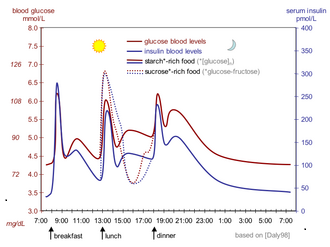
Your body is constantly trying to balance energy. Glucose (blood sugar) is one of its main fuels, so it’s normal for levels to rise and fall depending on what’s happening.
Here are the main drivers behind those changes:
Food and timing
When you eat, especially carbohydrates, glucose enters your bloodstream. This causes blood sugar to rise. The type of food, portion size, and how fast you eat all play a role. Even the same meal can affect you differently on different days.
Physical activity
Movement usually helps lower blood sugar, but not always in a straight line. Light activity may gently reduce levels, while intense exercise can sometimes cause a temporary rise before things settle again.
Stress and emotions
Stress hormones can signal your body to release more glucose into the blood. This can happen even if you haven’t eaten anything recently.
Sleep and daily rhythm
Blood sugar often behaves differently in the morning compared to the afternoon or evening. Your body follows internal rhythms that affect hormones, insulin sensitivity, and glucose release.
Common daily patterns people notice
Many people managing blood sugar notice patterns like these:
- Higher readings in the morning
- Drops a few hours after meals
- Small spikes during stressful moments
- More stable numbers on calm, well-rested days
These patterns don’t automatically mean something is “wrong.” They’re often clues about how your body responds to daily life.
If you’re new to tracking, it can help to view your numbers as information, not judgments.
When changes might deserve attention
While ups and downs are normal, it’s reasonable to pay closer attention if:
- Changes feel very extreme or unpredictable
- You notice symptoms along with big swings
- Patterns suddenly change without explanation
- Numbers stay high or low for long periods
This doesn’t mean panic — it simply means it’s worth observing trends rather than focusing on single readings.
Small, practical ways to smooth daily swings
You don’t need perfection. Small adjustments can often make blood sugar changes feel more manageable:
- Eat meals at roughly similar times
- Pair carbohydrates with protein or fiber
- Stay hydrated
- Get consistent sleep when possible
- Notice how stress affects your body
Keeping a simple log for a few days can also help you spot patterns without overthinking them.
Take aways
Blood sugar is not meant to be flat all day long. Some movement is normal, and fluctuations are part of how the body works. Instead of aiming for “perfect numbers,” it’s often more helpful to look for general stability and patterns over time.
Understanding why your blood sugar changes can bring a lot of peace of mind — and that understanding usually starts with asking questions like this one.