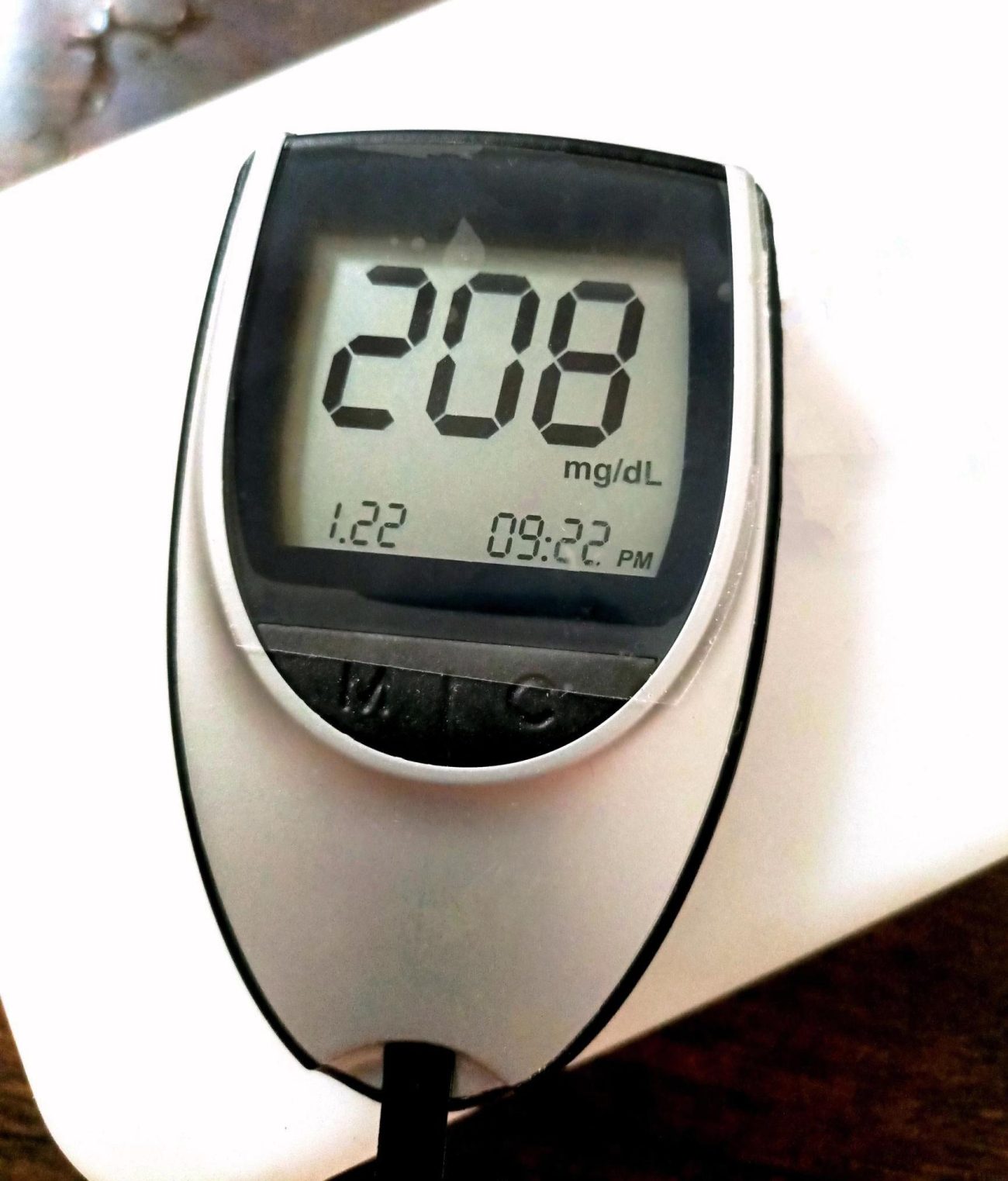
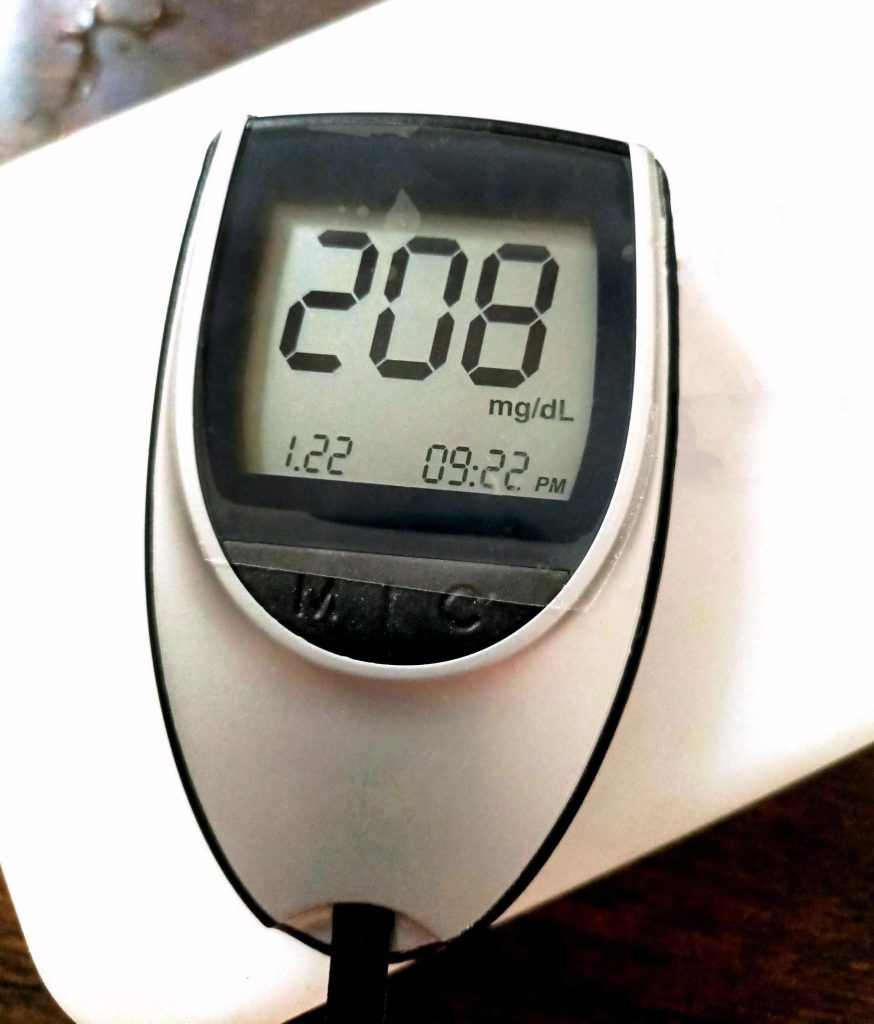
For people with diabetes, checking blood sugar before exercise is an important safety step. Starting a workout when glucose levels are too low can increase the risk of hypoglycemia, while starting when levels are very high may lead to complications such as dehydration or ketone production. Because of this, many diabetes guidelines recommend checking blood sugar before physical activity to determine whether exercise is safe.
The safest blood sugar range before exercise usually falls between 100 and 250 mg/dL (5.6–13.9 mmol/L), although the ideal range can vary depending on medications, insulin use, and the type of activity being performed.
Understanding how glucose levels interact with exercise helps people with diabetes stay active while minimizing risks.
Why blood sugar levels matter before exercise
Exercise changes how the body uses glucose. When muscles contract during physical activity, they require energy. Glucose from the bloodstream becomes one of the main fuels used by working muscles.
During exercise:
- Muscles pull glucose from the bloodstream
- Insulin sensitivity increases
- Blood sugar may drop during or after activity
- Hormones may sometimes cause temporary spikes
Because exercise can shift glucose levels in multiple directions, starting with a safe range reduces the risk of sudden lows or dangerous highs.
Many people notice these patterns during workouts such as blood sugar after cardio exercise, where levels often drop as muscles use glucose for energy.
Recommended blood sugar ranges before exercise
Although individual targets vary, many diabetes organizations suggest the following general guidelines.
Below 90 mg/dL (5.0 mmol/L)
Exercise should usually be delayed.
Blood sugar below this level increases the risk of hypoglycemia during activity.
Recommended actions include:
- Eat a small carbohydrate snack
- Wait for blood sugar to rise
- Recheck glucose before starting exercise
People who already experience can you exercise when blood sugar is low situations should be particularly cautious.
90–100 mg/dL (5.0–5.6 mmol/L)
Exercise may be possible but often requires caution.
Some people benefit from consuming a small snack before beginning physical activity, especially if the workout will be long or intense.
100–250 mg/dL (5.6–13.9 mmol/L)
This range is generally considered safe for most types of exercise.
Aerobic activities such as walking, cycling, or swimming usually lower glucose levels during activity.
Strength training and intense workouts may cause different responses, similar to patterns seen in can exercise raise blood sugar.
Above 250 mg/dL (13.9 mmol/L)
Exercise may be unsafe if ketones are present.
When blood sugar is high, the body may not have enough effective insulin to use glucose properly. This can lead to increased fat breakdown and ketone production.
In these situations, people should check ketone levels and review guidance from can you exercise with ketones before starting activity.
Above 300 mg/dL (16.7 mmol/L)
Exercise is usually not recommended until blood sugar levels improve.
Very high glucose levels can worsen dehydration and may lead to dangerous metabolic imbalances if exercise is performed.
How different types of exercise affect blood sugar
The safest glucose level before exercise can also depend on the type of workout.
Aerobic exercise
Activities such as walking, running, swimming, and cycling usually lower blood sugar.
These activities rely heavily on glucose for energy and can improve insulin sensitivity during and after exercise.
Examples include:
- brisk walking
- jogging
- cycling
- swimming
Many people observe these effects when monitoring blood sugar after running or blood sugar after swimming.
Strength training
Resistance exercise can produce slightly different glucose responses.
Short bursts of intense effort may cause temporary glucose increases because stress hormones signal the liver to release stored energy.
However, blood sugar often falls later during recovery.
These patterns are commonly discussed in blood sugar after weight training.
High-intensity exercise
Short bursts of intense exercise may cause temporary spikes in glucose due to adrenaline and cortisol.
This response is discussed in is HIIT safe for people with diabetes, where hormone-driven glucose release may temporarily increase blood sugar levels.
Understanding these differences helps people choose appropriate glucose targets before workouts.
Other factors that affect safe blood sugar levels
Blood sugar before exercise is only one part of the picture. Several additional factors influence how glucose behaves during activity.
Important factors include:
- Time since the last meal
- Insulin timing
- Exercise intensity
- Duration of the workout
- Hydration levels
For example, exercising soon after insulin administration may increase the risk of hypoglycemia.
Similarly, long endurance workouts such as distance running can gradually reduce glucose levels over time. This is often seen during can diabetics run long distance safely, where prolonged activity increases glucose use.
How to prepare for exercise with diabetes
Preparing for workouts helps reduce risks and improves consistency.
Helpful preparation steps include:
- Checking blood sugar before exercise
- Carrying fast-acting carbohydrates
- Staying hydrated
- Wearing medical identification
- Monitoring glucose during long workouts
People who frequently experience delayed hypoglycemia should also monitor glucose levels after workouts. Delayed drops may occur several hours later, as discussed in can exercise cause delayed low blood sugar.
When to stop exercising
Even when starting within a safe glucose range, it is important to monitor symptoms during activity.
Exercise should be paused if symptoms such as the following appear:
- dizziness
- confusion
- severe fatigue
- shakiness
- nausea
These symptoms may indicate falling blood sugar levels or dehydration.
Guidance from at what blood sugar level should you stop exercising can help determine when activity should be paused.
Tips for preventing blood sugar problems during exercise
The following strategies help maintain stable glucose levels during physical activity.
- Start exercise within a safe glucose range
- Eat balanced meals before workouts
- Monitor glucose regularly
- Adjust insulin timing if necessary
- Stay hydrated
Learning personal glucose patterns over time is one of the most effective ways to exercise safely.
FAQ
Should diabetics always check blood sugar before exercise?
Yes. Checking blood sugar before activity helps determine whether exercise is safe and prevents unexpected lows or highs.
Can exercise lower blood sugar too much?
Yes. Prolonged or intense exercise may lower glucose significantly, especially if insulin levels are high.
What if blood sugar drops during exercise?
Stop activity, consume fast-acting carbohydrates, and monitor blood sugar until levels stabilize.
Final thoughts
Checking blood sugar before exercise is an important safety step for people with diabetes. Starting physical activity within a safe glucose range helps reduce the risk of hypoglycemia, dehydration, and metabolic complications. With proper monitoring and preparation, exercise can remain a safe and powerful tool for improving long-term blood sugar control.