For most people with diabetes, exercising after eating is often safer because blood sugar is more stable and less likely to drop quickly. However, the best timing depends on personal glucose patterns, medications, and exercise intensity. This applies to both type 1 and type 2 diabetes.
Understanding how meals and exercise interact can help prevent both highs and lows.
How food affects exercise and blood sugar
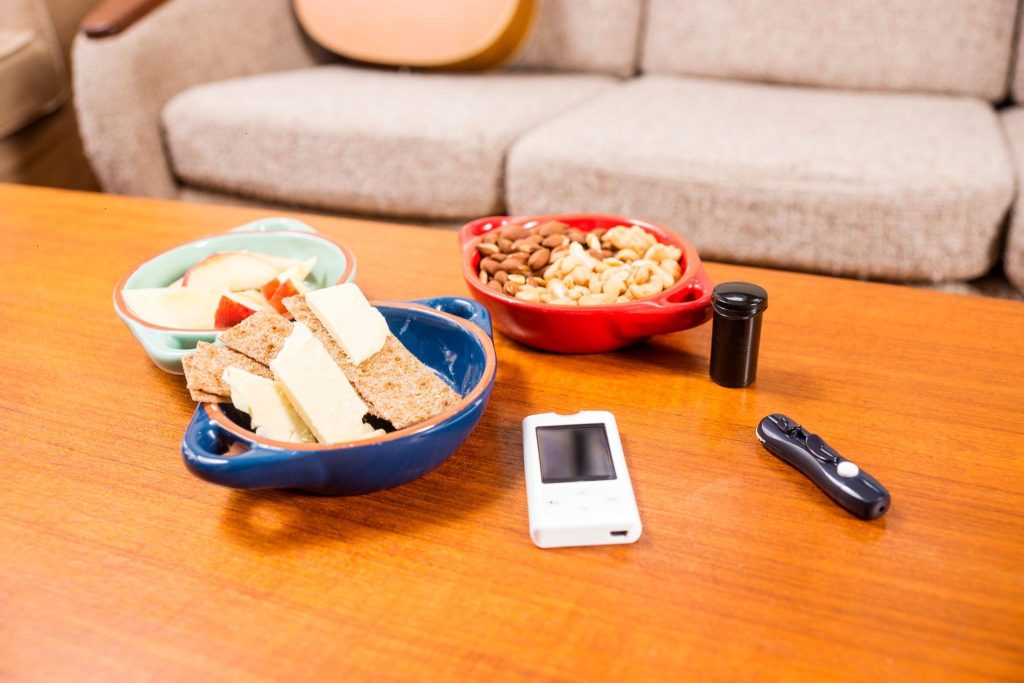
After eating, blood sugar naturally rises as carbohydrates are digested. Exercise helps muscles use this glucose for energy, which can stabilize levels.
Because of this:
- Exercising after meals often lowers blood sugar gradually
- Exercising while fasted may increase the risk of lows
- Intense exercise before eating may cause spikes
These responses are closely related to patterns seen with blood sugar after cardio exercise.
Benefits of exercising after eating
Post-meal exercise can:
- Reduce blood sugar spikes after meals
- Improve insulin sensitivity
- Lower the risk of hypoglycemia during activity
Many people notice more stable glucose patterns when they exercise after meals, especially if they have experienced lows similar to can you exercise when blood sugar is low scenarios.
Exercising before eating
Some people prefer fasted workouts, especially in the morning. While this can be safe, it requires careful monitoring.
Fasted exercise may:
- Increase fat burning
- Cause temporary blood sugar rises due to hormones
- Increase risk of lows in some individuals
These responses may resemble patterns seen with can exercise raise blood sugar during intense activity.
How to choose the best timing
The best timing depends on:
- Personal blood sugar trends
- Medication or insulin timing
- Exercise intensity
- Meal size and carbohydrate intake
Testing blood sugar before and after workouts helps identify the safest routine.
Tips for safe exercise timing
- Check blood sugar before starting
- Avoid intense exercise during peak insulin action
- Consider light activity after meals
- Monitor blood sugar after workouts
- Stay consistent with timing when possible
Consistency helps predict how your body responds.
FAQ
Is walking after meals good for diabetes?
Yes. Light activity after meals can help reduce blood sugar spikes.
Is morning fasted exercise safe?
It can be safe for some people but requires careful monitoring.
Final thoughts
Exercising after eating is often the safest option for stable blood sugar, but the ideal timing depends on individual patterns and routines. Monitoring glucose around workouts helps determine what works best.
This article is for general information only and does not replace medical advice. People with diabetes should consult their healthcare provider before changing exercise routines.