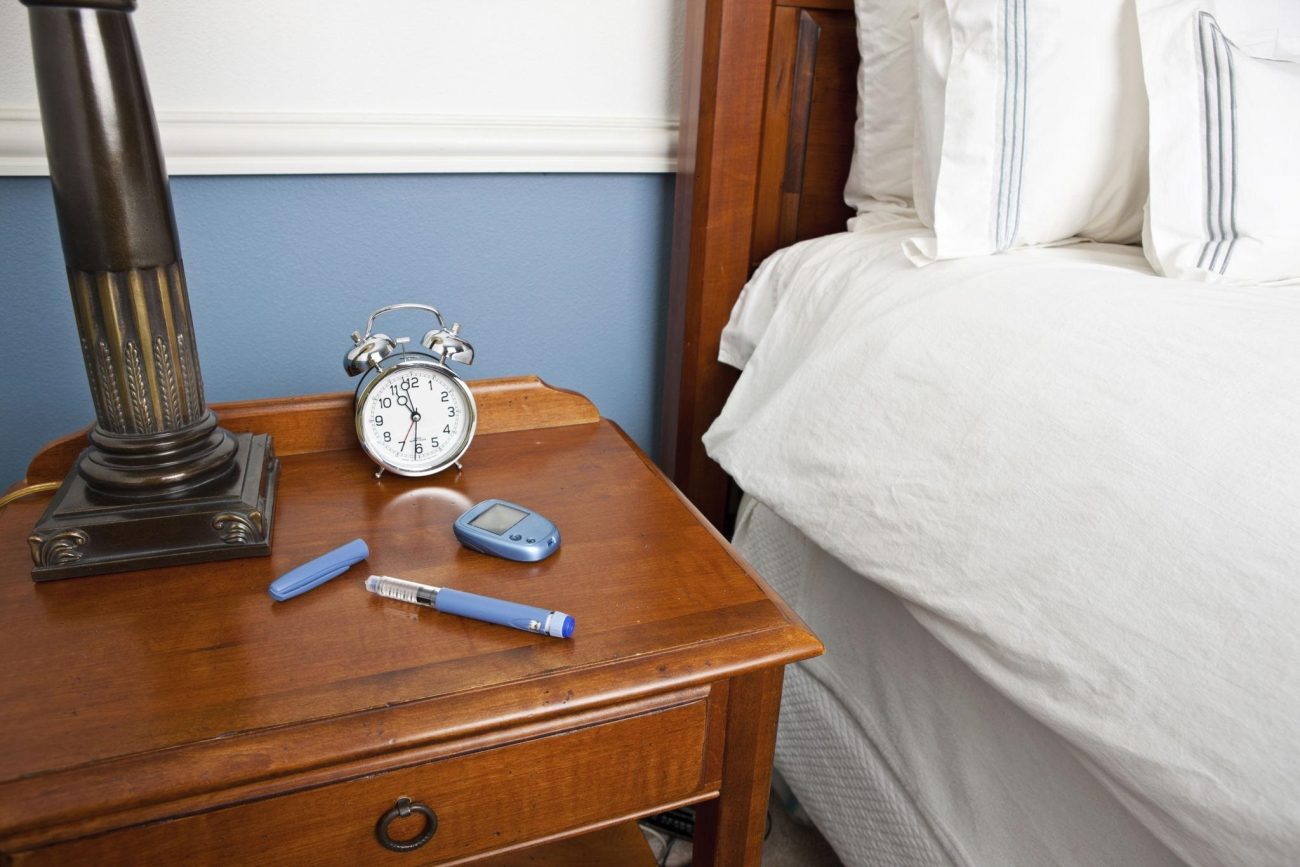
Blood sugar can stay lower for several hours after exercise, and in some cases up to 24 hours depending on workout intensity, duration, and insulin levels. This delayed effect happens because exercise increases insulin sensitivity and muscles continue using glucose during recovery. This applies to both type 1 and type 2 diabetes.
Understanding this delayed response helps prevent unexpected lows later in the day or overnight.
Why blood sugar stays low after exercise
After exercise, the body works to replenish muscle glycogen. Muscles pull glucose from the bloodstream during recovery, which keeps blood sugar lower even after the workout ends.
This delayed effect is often called post-exercise insulin sensitivity.
It is similar to what many people experience with can exercise cause delayed low blood sugar, especially after longer or more intense workouts.
How long the effect typically lasts
Blood sugar may stay lower:
- 2–6 hours after light activity
- 6–15 hours after moderate exercise
- Up to 24 hours after intense or long workouts
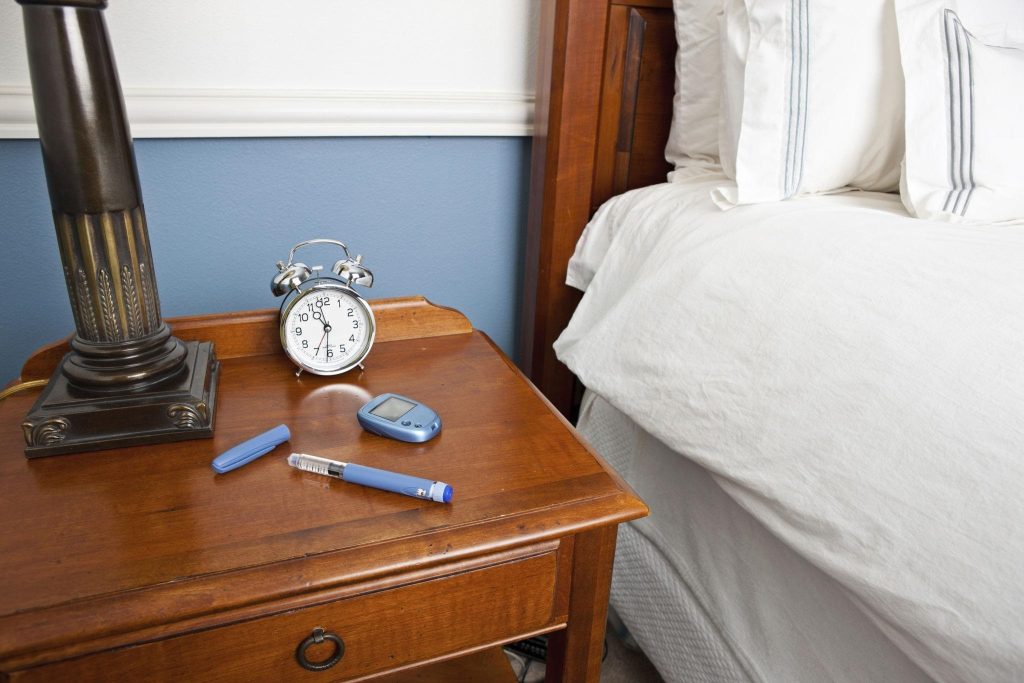
Evening exercise can increase the chance of overnight lows, which is why following exercise safety for people with diabetes guidance is important.
Why delayed low blood sugar happens
During exercise:
- Muscles use stored glycogen
- The body becomes more sensitive to insulin
- Glucose uptake remains elevated during recovery
This process continues even when you are resting or sleeping, which explains why blood sugar may drop later.
Who is most at risk of delayed lows
Delayed low blood sugar is more common in:
- People using insulin
- Long-duration cardio sessions
- Evening workouts
- High-intensity exercise
Patterns may be similar to those seen with blood sugar after cardio exercise, where glucose levels continue to decline after activity ends.
How to prevent delayed low blood sugar
- Monitor blood sugar after workouts
- Consider a small snack after exercise
- Be cautious with evening workouts
- Check blood sugar before bed after intense activity
- Adjust insulin with medical guidance if needed
Planning ahead helps prevent unexpected overnight lows.
FAQ
Can blood sugar drop overnight after exercise?
Yes. Increased insulin sensitivity can cause blood sugar to fall during sleep.
Does weight training cause delayed lows too?
Yes. Resistance exercise can also lead to later drops, similar to patterns seen with blood sugar after weight training.
Final thoughts
Blood sugar can stay lower for hours after exercise due to increased insulin sensitivity and muscle recovery. Monitoring after workouts is just as important as checking before exercise.
This article is for general information only and does not replace medical advice. People with diabetes should consult their healthcare provider before changing exercise routines.