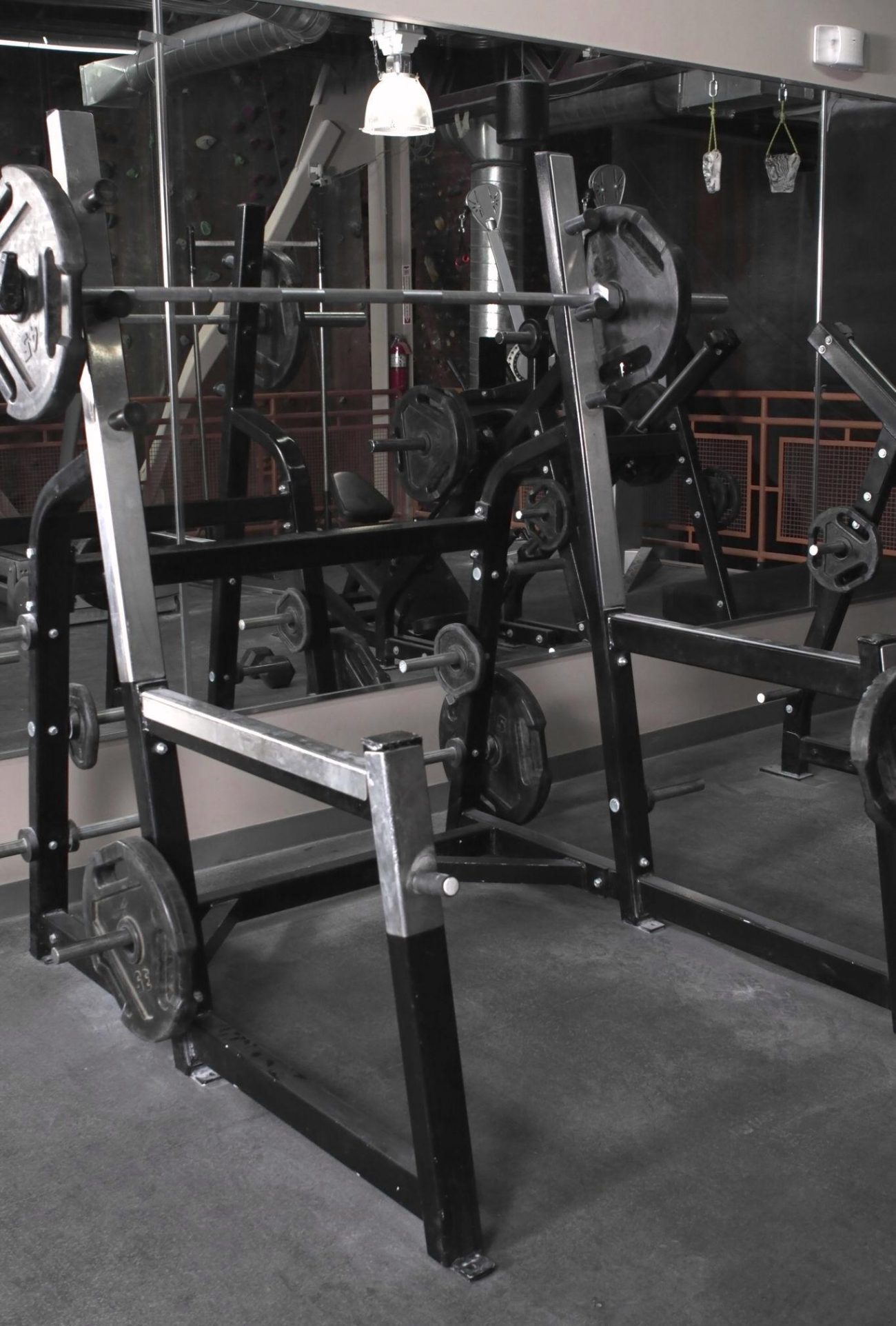
Yes, many people with diabetes can lift heavy weights safely, but strength training affects blood sugar differently than cardio and requires careful planning and monitoring. Heavy resistance exercise can sometimes raise blood sugar during the workout and lower it later during recovery. This applies to both type 1 and type 2 diabetes.
When done correctly, heavy strength training can be one of the most effective tools for improving insulin sensitivity and long-term glucose control.
Why heavy weight training affects blood sugar differently
Heavy lifting relies on short bursts of high-intensity effort. During intense exercise, the body releases stress hormones such as adrenaline and cortisol. These hormones signal the liver to release stored glucose into the bloodstream to provide quick energy.
Because of this, strength training may produce a different glucose pattern than endurance exercise. Some people notice temporary spikes similar to can exercise raise blood sugar, especially during short, intense sessions.
After the workout, the opposite effect often occurs. Muscles become more insulin sensitive and begin using glucose to repair and rebuild tissue. This delayed effect may resemble how long blood sugar stays low after exercise patterns.
Benefits of heavy strength training for diabetes
Strength training provides powerful metabolic benefits. Building muscle increases the body’s ability to store and use glucose effectively.
Major benefits include:
- Improved insulin sensitivity
- Increased muscle mass
- Reduced insulin resistance
- Better long-term blood sugar control
- Improved bone and joint health
More muscle means the body has a larger “storage space” for glucose, which can help stabilize daily blood sugar levels.
How blood sugar typically changes during lifting
Strength workouts often follow a predictable pattern.
Before lifting
Blood sugar may be stable or slightly elevated.
During heavy lifting
Blood sugar may rise due to stress hormone release.
After lifting
Blood sugar may gradually drop during recovery.
Many people notice patterns similar to blood sugar after weight training, where the biggest changes occur hours after the workout.
Is heavy lifting safe for people using insulin?
Yes, but extra planning is important.
People using insulin should:
- Monitor glucose before and after workouts
- Carry fast-acting carbohydrates
- Avoid lifting during peak insulin action
- Track personal patterns over time
Understanding how your body responds reduces risk and increases confidence.
How to start lifting safely
Beginners should focus on gradual progress. Jumping directly into heavy lifting increases injury risk and makes blood sugar responses harder to predict.
Safe starting strategies include:
- Learning proper technique first
- Starting with lighter weights
- Increasing weight gradually
- Taking rest days for recovery
Consistency matters more than lifting the heaviest weight quickly.
Fueling and hydration for strength workouts
Hydration and nutrition play a major role in safe strength training.
Helpful strategies include:
- Eating balanced meals before workouts
- Staying hydrated during training
- Monitoring blood sugar after workouts
- Avoiding long fasted lifting sessions
Fasted workouts may produce unpredictable responses similar to exercising on an empty stomach with diabetes patterns.
Preventing low blood sugar after lifting
Delayed low blood sugar can occur hours after heavy workouts. This happens because muscles use glucose during recovery and repair.
To reduce risk:
- Monitor blood sugar for several hours after training
- Consider a balanced post-workout snack
- Be cautious with evening workouts
- Adjust insulin with medical guidance if needed
Delayed lows are common after intense workouts.
Who should be cautious with heavy lifting
Extra caution is recommended for:
- Beginners new to resistance training
- People with frequent hypoglycemia
- Individuals with diabetes complications affecting nerves or vision
- People starting a new workout routine
Gradual progression helps reduce risk.
Common mistakes to avoid
Many beginners make avoidable mistakes:
- Skipping blood sugar checks
- Training too intensely too soon
- Ignoring hydration
- Not monitoring glucose after workouts
Tracking patterns over time helps avoid these issues.
How often should diabetics lift weights?
Most guidelines suggest strength training 2–3 times per week. Rest days allow muscles to recover and help prevent injury.
Combining strength training with cardio can provide the greatest overall health benefits.
FAQ
Can strength training replace cardio for diabetes?
Both forms of exercise provide unique benefits. Combining them often produces the best results.
Is lifting heavy weights dangerous for diabetes?
With proper monitoring and gradual progression, heavy lifting can be safe and beneficial.
Final thoughts
Heavy strength training can be safe and highly beneficial for people with diabetes. Understanding how lifting affects blood sugar helps prevent complications and supports long-term health.
This article is for general information only and does not replace medical advice. People with diabetes should consult their healthcare provider before changing exercise routines.