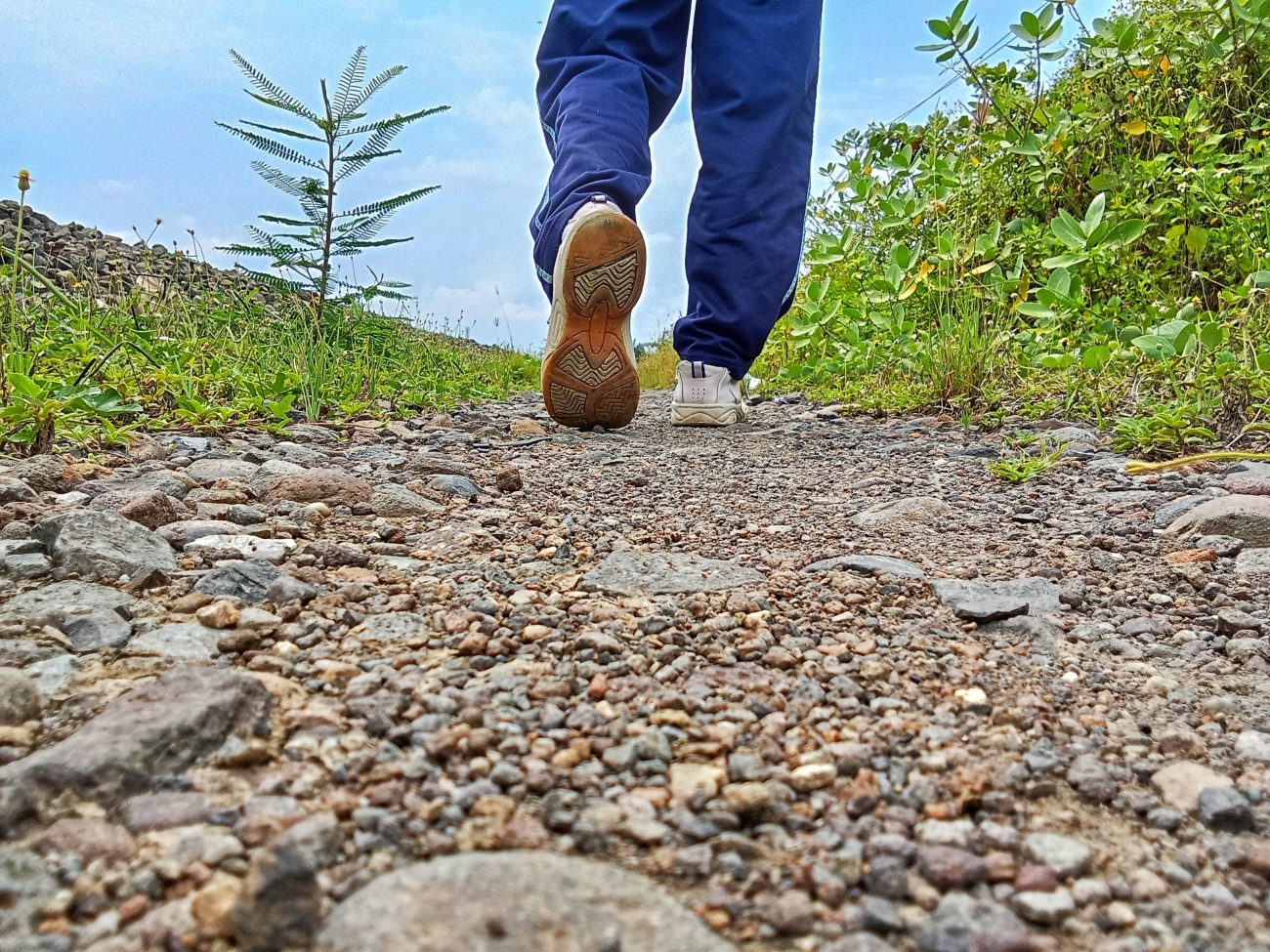
Walking is one of the most commonly recommended forms of physical activity for people with diabetes. A 30-minute walk is often enough to affect blood sugar levels, but the response can vary depending on the person, timing, and intensity. According to the American Diabetes Association, regular physical activity such as walking can help improve blood sugar management in people with diabetes.
For many people with diabetes, walking for 30 minutes may help lower blood sugar, especially when done after meals. However, the effect is not the same for everyone, and understanding what typically happens can help you exercise more safely and confidently. Walking is one type of aerobic activity, and the overall pattern of blood sugar after cardio exercise is explained in more detail here.
Short answer
- Walking for 30 minutes often lowers blood sugar
- The effect may appear during or shortly after the walk
- Results depend on diabetes type, intensity, and timing
- Some people may see little change or a temporary rise
What typically happens to blood sugar after walking
During walking, muscles use glucose for energy, which is why many people see lower glucose levels during aerobic exercise such as running, swimming, or cycling. For people with type 2 diabetes, this effect is often more noticeable, especially when walking at a moderate pace.
In people with type 1 diabetes, blood sugar may:
- Decrease
- Stay stable
- Occasionally increase (due to stress hormones or low insulin levels)
Some people are surprised when glucose rises during exercise instead of falling. This can happen because stress hormones signal the liver to release glucose.
The response depends on factors such as insulin timing, recent meals, and overall fitness level.
Many people specifically walk after meals to reduce glucose spikes.
Why walking after meals can lower blood sugar
Walking shortly after eating is one of the most commonly recommended forms of physical activity for people with diabetes. After a meal, blood sugar rises as carbohydrates are broken down into glucose and absorbed into the bloodstream. When you start walking, your muscles begin using glucose for energy, which helps remove some of that sugar from circulation.
Because of this effect, even a short walk can reduce the size of a post-meal glucose spike. Some people find that walking for 10–30 minutes after eating keeps their blood sugar levels more stable throughout the day. This is one reason walking is often recommended as a simple and accessible form of exercise for people managing diabetes.
However, the exact effect still depends on factors such as meal size, insulin levels, medication, and how fast or intensely you walk.
When the effects can be different
Blood sugar response to walking may vary in these situations:
- After meals: walking after eating often leads to better glucose control
- Fasting or low blood sugar: levels may drop too much
- High-intensity walking: can temporarily raise blood sugar
- New exercise routines: the body may react unpredictably at first
Monitoring blood sugar before and after walking can help identify personal patterns.
Because responses vary, many people with diabetes check their levels before activity to make sure they are in a safe range. Medical sources recommend monitoring glucose around exercise because activity can change levels significantly.
Why blood sugar sometimes rises instead of falling
Although walking often lowers blood sugar, some people notice the opposite effect. This happens because physical activity can trigger the release of hormones such as adrenaline and cortisol. These hormones signal the liver to release stored glucose into the bloodstream.
If the liver releases glucose faster than muscles use it, blood sugar may temporarily increase during or shortly after exercise. This response is more common during faster or more intense walking, when the body interprets the activity as a form of stress.
For many people the rise is temporary, and levels stabilize once the exercise ends. Tracking how your body responds to different types of activity can help you understand whether walking tends to lower or raise your glucose levels.
Tips for walking safely with diabetes
- Start with a comfortable pace and increase gradually
- Stay hydrated before and after walking
- Carry fast-acting carbohydrates if needed
- Avoid skipping meals before long walks
- Wear proper footwear to protect your feet
Consistency is often more important than speed or distance. Lower glucose after walking can sometimes continue for several hours because exercise increases insulin sensitivity.
Why walking is one of the best exercises for diabetes
- walking improves glucose control
- improves insulin sensitivity
- recommended as moderate daily activity
Regular physical activity like walking improves blood-glucose control and overall metabolic health.
When to check blood sugar around a walk
People with diabetes often check their blood sugar before and after physical activity to understand how exercise affects them. This is particularly useful when starting a new routine or increasing exercise duration.
Checking before walking helps ensure glucose levels are within a safe range. Measuring again after exercise shows whether levels dropped, stayed stable, or increased. Over time this pattern can help guide decisions about snacks, insulin timing, or exercise intensity.
Because everyone responds differently, monitoring your own patterns is often the best way to understand how a 30-minute walk affects your blood sugar.
Frequently asked questions
Can walking lower blood sugar too much?
Yes, in some cases, especially if combined with insulin or certain medications. Monitoring helps reduce this risk.
Is it better to walk in the morning or evening?
Both can be beneficial. Some people see better blood sugar control when walking after meals.
How often should people with diabetes walk?
Many guidelines suggest most days of the week, but frequency should be adjusted to individual ability and medical advice.
Disclaimer
This content is for informational purposes only and does not replace professional medical advice. Always consult a healthcare provider before making changes to physical activity routines.