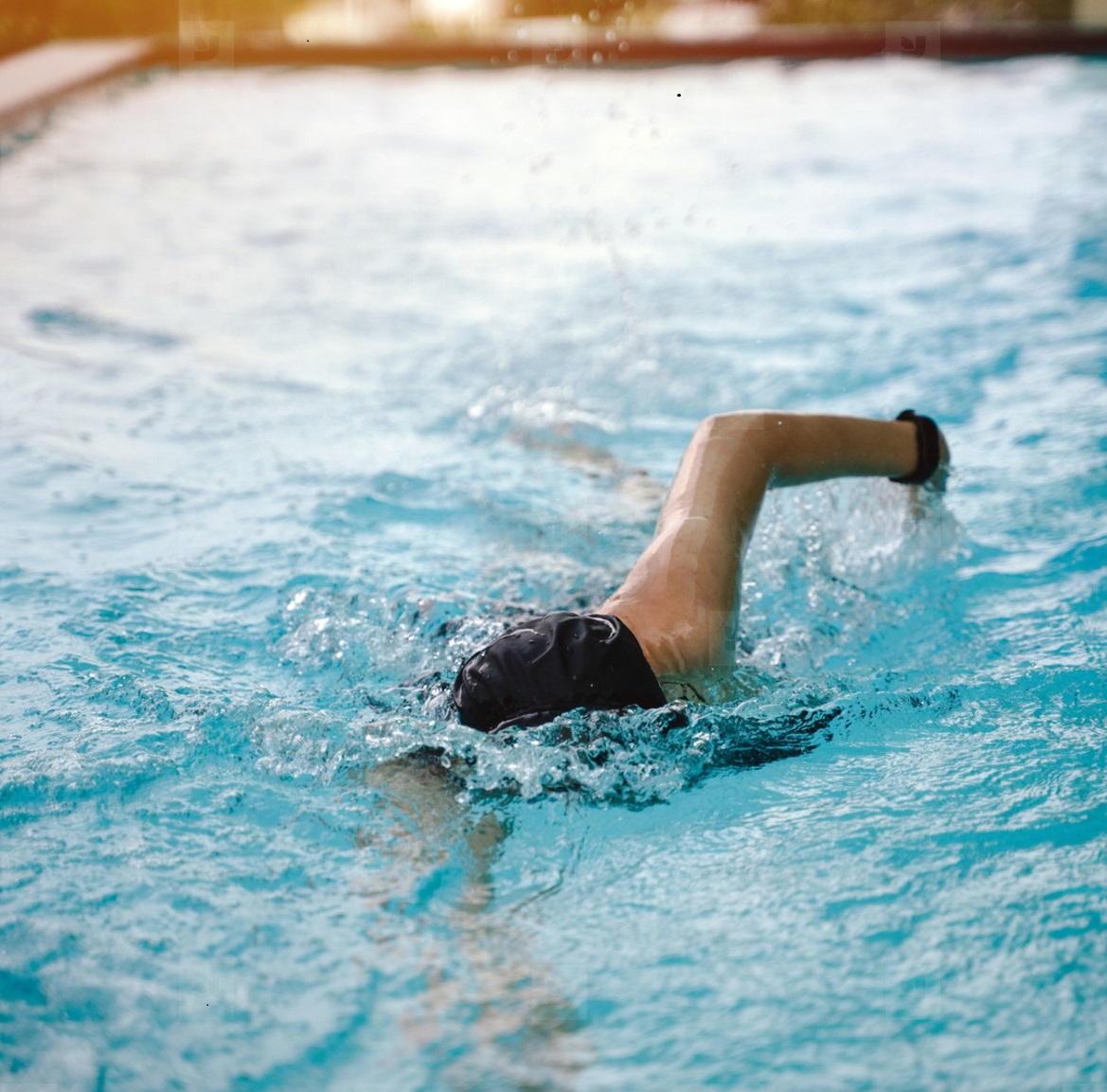
Swimming is a full-body aerobic exercise that typically lowers blood sugar during and after activity. For people with diabetes, blood sugar after swimming may decrease gradually in the water and remain lower for several hours afterward due to improved insulin sensitivity. This applies to both type 1 and type 2 diabetes.
Because swimming combines endurance with light resistance from water, glucose use is steady and sustained.
What happens to blood sugar during swimming
Swimming activates large muscle groups continuously. Muscles absorb glucose from the bloodstream to maintain movement, which usually lowers blood sugar.
During swimming:
- Blood sugar often drops steadily
- Longer sessions increase glucose use
- Cool water may make early low-blood-sugar symptoms harder to notice
- Insulin sensitivity improves after exercise
The effect is similar to what many people experience with blood sugar after cardio exercise, though the drop may feel more gradual.
Blood sugar before, during, and after swimming
Before swimming
Starting a session with stable blood sugar reduces the risk of hypoglycemia. If levels are low, swimming can cause them to fall further. If levels are very high, it is important to follow general exercise safety for people with diabetes recommendations before entering the water.
During swimming
Because testing in water can be inconvenient, checking blood sugar before and immediately after swimming is important. Continuous glucose monitoring devices may help provide trend awareness during longer sessions.
After swimming
Blood sugar may remain lower for several hours after finishing, especially following moderate or long-distance sessions. Delayed lows later in the day or overnight are possible, particularly for individuals using insulin.
Compared with strength training with diabetes, swimming typically lowers blood sugar more predictably during the activity itself.
Is swimming safe for people with diabetes?
Swimming is generally safe and beneficial when properly planned. It improves cardiovascular fitness, supports weight management, and enhances insulin sensitivity.
With preparation and monitoring, swimming can be one of the safer endurance activities for people managing diabetes.
Tips to prevent low blood sugar while swimming
- Check blood sugar before entering the pool
- Keep fast-acting carbohydrates poolside
- Avoid long sessions during peak insulin action
- Consider a small snack before extended swims
- Recheck blood sugar after finishing
People using insulin may require dose adjustments under medical supervision.
When to avoid swimming
Avoid swimming if:
- Blood sugar is very low
- Blood sugar is extremely high with symptoms
- Ketones are present
- You feel weak, dizzy, or unwell
Water activities require extra caution because hypoglycemia symptoms may be harder to recognize while swimming.
FAQ
Does swimming always lower blood sugar?
Most moderate swimming sessions lower blood sugar. Very intense intervals may briefly increase glucose before levels decline.
Is swimming safer than running for diabetes?
Swimming often produces a steadier glucose decline compared to high-impact exercise. For comparison, see blood sugar after running.
Final thoughts
Blood sugar after swimming usually decreases during or shortly after the activity, with possible delayed effects later in the day. With consistent monitoring and preparation, swimming can be a safe and effective part of diabetes management.
This article is for general information only and does not replace medical advice. People with diabetes should consult their healthcare provider before changing exercise routines.