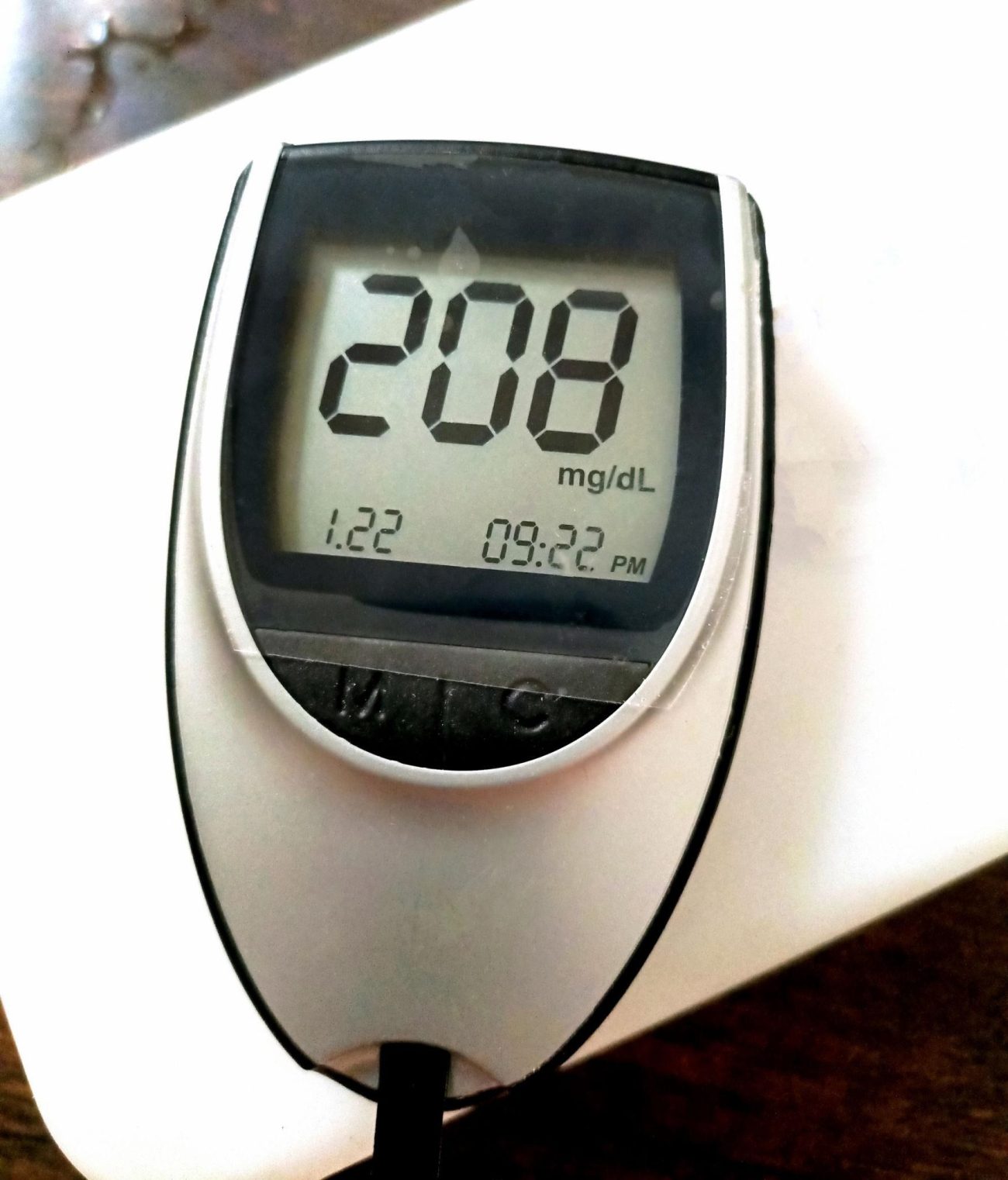
You should stop exercising if your blood sugar drops too low or rises to unsafe levels, especially if symptoms are present. Continuing physical activity when glucose levels are outside a safe range can increase the risk of hypoglycemia, hyperglycemia, or other complications. This applies to both type 1 and type 2 diabetes.
Knowing when to stop is just as important as knowing when to start.
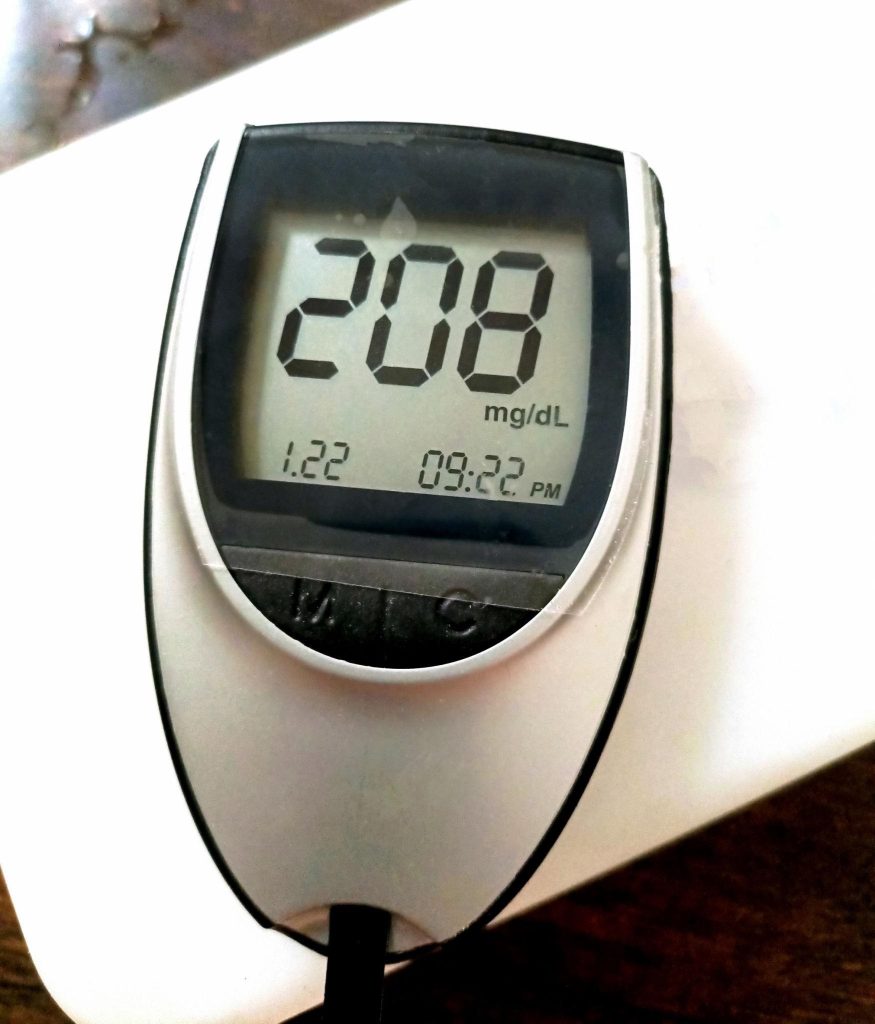
Why blood sugar levels matter during exercise
Exercise changes how your body uses glucose. Muscles absorb sugar for energy, and stress hormones can also affect levels.
Because of this:
- Blood sugar may drop during cardio activity
- Blood sugar may temporarily rise during intense or resistance exercise
- Insulin sensitivity increases after workouts
Monitoring levels during activity follows basic exercise safety for people with diabetes principles.
When blood sugar is too low to continue
Stop exercising if:
- You feel shaky, dizzy, weak, or confused
- Symptoms of hypoglycemia appear
- Blood sugar drops below your safe exercise range
Continuing activity can make low levels worse, especially since exercise naturally lowers glucose similar to patterns seen with blood sugar after cardio exercise.
Treat the low first before considering resuming activity.
When blood sugar is too high to continue
You should also stop exercising if:
- Blood sugar is very high
- You feel nauseated or unwell
- Ketones are present
Intense exercise can raise blood sugar further if insulin levels are insufficient, similar to what some people experience with can you exercise when blood sugar is high situations.
Stopping and reassessing is safer than pushing through symptoms.
What to do if levels become unsafe
If blood sugar drops:
- Consume fast-acting carbohydrates
- Rest and recheck levels
- Resume only when stable
If blood sugar rises significantly:
- Stop exercising
- Hydrate
- Check for ketones if necessary
Resuming exercise should only happen once levels return to a safe range and symptoms resolve.
How to prevent needing to stop
- Check blood sugar before starting
- Avoid peak insulin action periods
- Carry glucose tablets or snacks
- Monitor trends if using a continuous glucose monitor
- Avoid intense sessions if levels are unstable
Preparation reduces interruptions during exercise.
FAQ
Should you stop exercising immediately if you feel symptoms?
Yes. Symptoms such as dizziness, confusion, or nausea are warning signs and should not be ignored.
Can exercise correct high blood sugar during a workout?
Mild elevations may improve with light activity, but very high levels require caution and monitoring.
Final thoughts
You should stop exercising whenever blood sugar becomes unsafe or symptoms appear. Listening to your body and monitoring glucose regularly helps prevent complications during physical activity.
This article is for general information only and does not replace medical advice. People with diabetes should consult their healthcare provider before changing exercise routines.