Exercise is one of the most effective ways to improve blood sugar control, but for people with diabetes it can sometimes cause glucose levels to drop faster than expected. When muscles use glucose rapidly during physical activity, blood sugar may fall quickly, especially if insulin levels are high or the workout is long or intense. This rapid drop can lead to hypoglycemia if it is not recognized and treated early.
Understanding why exercise can lower blood sugar quickly helps people with diabetes stay active while reducing the risk of dangerous lows.
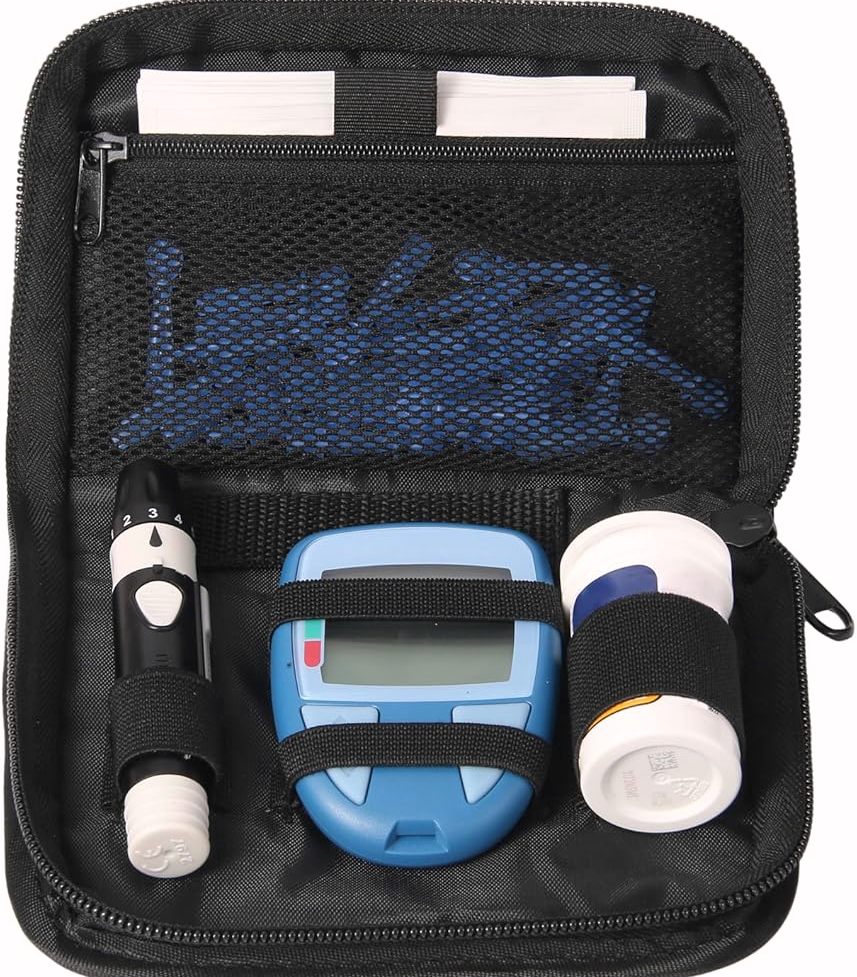
Why exercise lowers blood sugar
During exercise, muscles require energy to perform physical work. Glucose in the bloodstream becomes one of the main fuel sources for these muscles.
When muscles contract during activity:
- Glucose is pulled from the bloodstream
- Insulin sensitivity increases
- The body uses stored glycogen for energy
- Blood sugar levels may decrease
For many people with diabetes, this process is beneficial because it helps lower high blood sugar levels. However, when glucose is used faster than the body can replace it, blood sugar may drop quickly.
This is especially common during aerobic exercise such as walking, cycling, or swimming, which often produce patterns similar to blood sugar after cardio exercise, where glucose steadily declines during activity.
How quickly blood sugar can drop during exercise
The speed of blood sugar changes depends on several factors. In some situations, glucose may fall gradually over the course of a workout. In other cases, levels may drop rapidly within minutes.
Factors that influence the speed of glucose decline include:
- Insulin levels in the body
- Time since the last meal
- Exercise intensity
- Duration of the workout
- Individual metabolism
For example, someone who exercises shortly after taking insulin may experience faster drops in blood sugar than someone exercising several hours later.
People who perform longer endurance workouts may also notice rapid glucose decline, especially during activities such as running or cycling.
Signs that blood sugar is dropping too quickly
Recognizing the symptoms of falling blood sugar is essential during exercise. When glucose drops quickly, the body produces warning signals that should not be ignored.
Common symptoms include:
- shakiness
- dizziness
- sweating
- rapid heartbeat
- confusion
- weakness
These symptoms may appear suddenly if blood sugar falls rapidly during activity.
When these symptoms occur, it is important to stop exercising and treat the low blood sugar immediately. Guidance from can you exercise when blood sugar is low can help determine when activity should be paused.
Why insulin increases the risk of rapid drops
Insulin plays a major role in how the body uses glucose. When insulin levels are high, the body becomes very efficient at moving glucose from the bloodstream into cells.
During exercise, this process becomes even stronger because muscle contractions increase glucose uptake independently of insulin.
When these two factors combine:
- Insulin is moving glucose into cells
- Muscles are also pulling glucose from the bloodstream
This combination can cause blood sugar to fall quickly, particularly during aerobic exercise.
People who use insulin or certain diabetes medications should monitor glucose closely during physical activity.
Activities most likely to cause rapid blood sugar drops
Some forms of exercise are more likely to lower blood sugar quickly than others.
Activities that commonly lower glucose include:
- brisk walking
- jogging
- cycling
- swimming
- hiking
These activities rely heavily on glucose for energy and often cause steady declines in blood sugar levels.
Many people observe this effect when monitoring blood sugar after running or blood sugar after swimming, where levels often fall during and after exercise.
How long the risk of low blood sugar lasts
Blood sugar changes do not always stop when the workout ends. In some cases, glucose levels may continue to fall for several hours after exercise.
This delayed effect happens because muscles replenish glycogen stores after activity. During this recovery process, muscles absorb glucose from the bloodstream.
This phenomenon is often described in can exercise cause delayed low blood sugar, where glucose levels drop hours after physical activity.
Because of this delayed effect, monitoring blood sugar after workouts is just as important as checking before exercise.
How to prevent blood sugar from dropping too quickly
Several strategies can help reduce the risk of rapid glucose drops during exercise.
Helpful prevention strategies include:
- checking blood sugar before activity
- eating a small carbohydrate snack before exercise
- carrying fast-acting carbohydrates
- monitoring glucose during long workouts
- adjusting insulin timing when appropriate
Learning how the body responds to different workouts helps people anticipate glucose changes and make better decisions before exercise.
The importance of starting with a safe blood sugar range
One of the best ways to prevent rapid drops is to begin exercise within a safe glucose range.
Many diabetes guidelines recommend starting exercise when blood sugar is between 100 and 250 mg/dL. Starting within this range reduces the risk of sudden lows during activity.
This topic is explored in more detail in what blood sugar level is safe before exercise, where recommended ranges and precautions are explained.
When exercise should be paused
Even with preparation, blood sugar can sometimes fall quickly during physical activity.
Exercise should be paused if:
- symptoms of hypoglycemia appear
- blood sugar drops below safe levels
- dizziness or confusion occurs
- severe fatigue develops
When these symptoms appear, stopping activity and treating the low blood sugar is the safest approach.
Guidance from at what blood sugar level should you stop exercising can help determine when exercise should be paused.
Monitoring blood sugar during exercise
Frequent monitoring helps people recognize patterns in how their body responds to different workouts.
Many people check glucose:
- before exercise
- during long workouts
- immediately after exercise
- several hours later
Continuous glucose monitors (CGMs) have made it easier to track these changes in real time.
Monitoring helps identify when blood sugar tends to drop quickly so adjustments can be made in the future.
Building a safe exercise routine
Exercise should remain a positive and sustainable part of diabetes management.
Safe exercise habits include:
- starting slowly
- increasing workout intensity gradually
- staying hydrated
- monitoring glucose regularly
- keeping snacks available
With experience, many people learn how to predict how different types of exercise affect their blood sugar.
FAQ
Can exercise cause low blood sugar even hours later?
Yes. Blood sugar may continue to fall during recovery as muscles replenish glycogen stores.
Is walking safer than intense workouts for diabetes?
Walking and moderate exercise often produce more predictable glucose responses than intense workouts.
Should diabetics eat before exercising?
In some cases, eating a small carbohydrate snack before exercise helps prevent rapid drops in blood sugar.
Final thoughts
Exercise is one of the most powerful tools for improving blood sugar control, but it can sometimes cause glucose levels to fall faster than expected. Monitoring blood sugar before, during, and after physical activity helps reduce the risk of hypoglycemia and allows people with diabetes to exercise safely. With proper preparation and awareness of individual patterns, physical activity can remain a safe and beneficial part of diabetes management.