Cardio exercise such as walking, running, cycling, or swimming usually causes blood sugar to drop during or after the activity. For people with diabetes, blood sugar after cardio exercise can fall quickly or several hours later, depending on intensity, duration, and insulin use. This applies to both type 1 and type 2 diabetes.
Knowing how cardio affects glucose helps you exercise safely while avoiding lows.
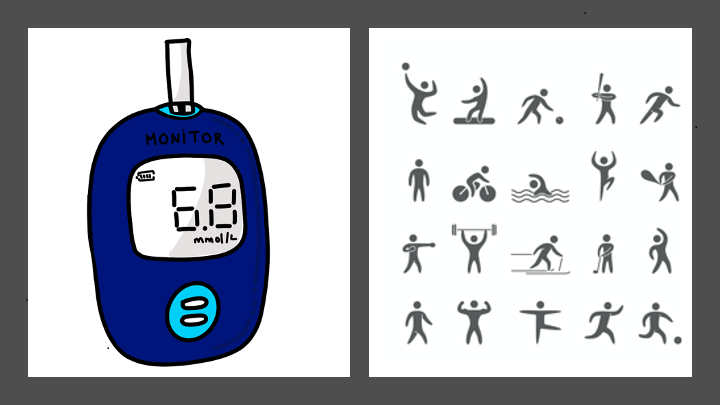
What happens to blood sugar during cardio exercise
Cardio exercise relies heavily on blood glucose for energy. As muscles work continuously, they pull glucose from the bloodstream, often faster than the liver can replace it.
As a result:
- Blood sugar usually drops during cardio
- Longer or moderate-intensity sessions increase the drop
- Insulin sensitivity improves for hours afterward
This makes cardio one of the most effective exercises for lowering blood sugar — but also the most likely to cause lows.
Blood sugar before, during, and after cardio exercise
Before cardio
- Starting with low blood sugar increases hypoglycemia risk
- Very high blood sugar may fall, but not safely if ketones are present
During cardio
- Blood sugar often drops steadily
- Longer sessions increase risk of lows
- Symptoms may appear suddenly
After cardio
- Blood sugar may stay low for several hours
- Delayed lows are common, especially:
- After endurance exercise
- In the evening
- In people using insulin
Is cardio exercise safe for people with diabetes?
Yes — cardio exercise is widely recommended for people with diabetes when done safely. The American Diabetes Association highlights aerobic exercise as a key part of diabetes management because it improves glucose control and cardiovascular health.
That said, cardio requires closer blood sugar monitoring than strength training due to its glucose-lowering effect.
Tips to prevent low blood sugar during cardio
- Check blood sugar before, during, and after exercise
- Carry fast-acting carbs (glucose tabs, juice)
- Avoid long cardio sessions when insulin is peaking
- Reduce intensity if symptoms appear
- Monitor blood sugar for up to 24 hours after exercise
People with type 1 diabetes may need insulin adjustments under medical guidance.
When to avoid cardio exercise
Avoid cardio if:
- Blood sugar is very low
- Blood sugar is very high with ketones
- You feel dizzy, weak, or unwell
- You are dehydrated or ill
FAQ
Does cardio always lower blood sugar?
Most of the time, yes. However, very intense cardio can sometimes cause a temporary rise.
Is cardio riskier than weight training for diabetes?
Yes. Cardio causes faster glucose drops compared to strength training.
Final thoughts
Blood sugar after cardio exercise often drops — sometimes immediately, sometimes hours later. With proper monitoring and preparation, cardio remains one of the best exercises for people with diabetes.
For a balanced approach, also read:
- exercise safety for people with diabetes
- strength training with diabetes
- blood sugar after weight training
This article is for general information only and does not replace medical advice. People with diabetes should consult their healthcare provider before changing exercise routines.