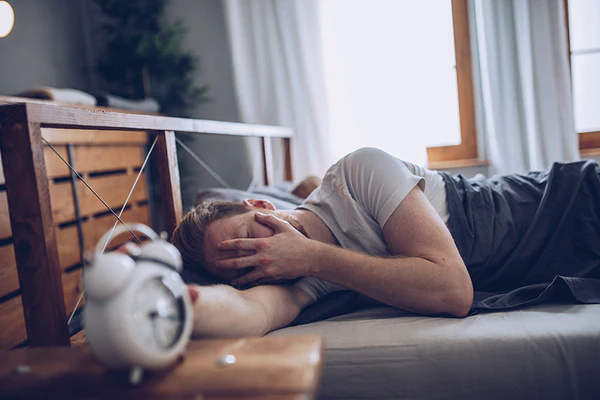
If you’ve ever woken up after a poor night’s sleep and noticed your blood sugar is higher than usual, you’re not imagining things. Many people with Type 1 diabetes notice this pattern, even when they didn’t eat late, didn’t change their routine, and did everything “the same” as usual.
Sleep has a much bigger impact on blood sugar than most people realize. In this article, we’ll explain why blood sugar can be higher after a bad night’s sleep, what’s happening inside the body, and what you can realistically do about it — without medical jargon or extreme advice.
Short answer: yes, poor sleep can raise blood sugar
A bad night’s sleep can make blood sugar higher the next day because it affects how your body handles stress, hormones, and insulin sensitivity.
Common reasons include:
- Increased stress hormones overnight
- Reduced insulin sensitivity the next day
- Disrupted daily rhythms
- Higher glucose release from the liver
This can happen even if you didn’t eat anything unusual.
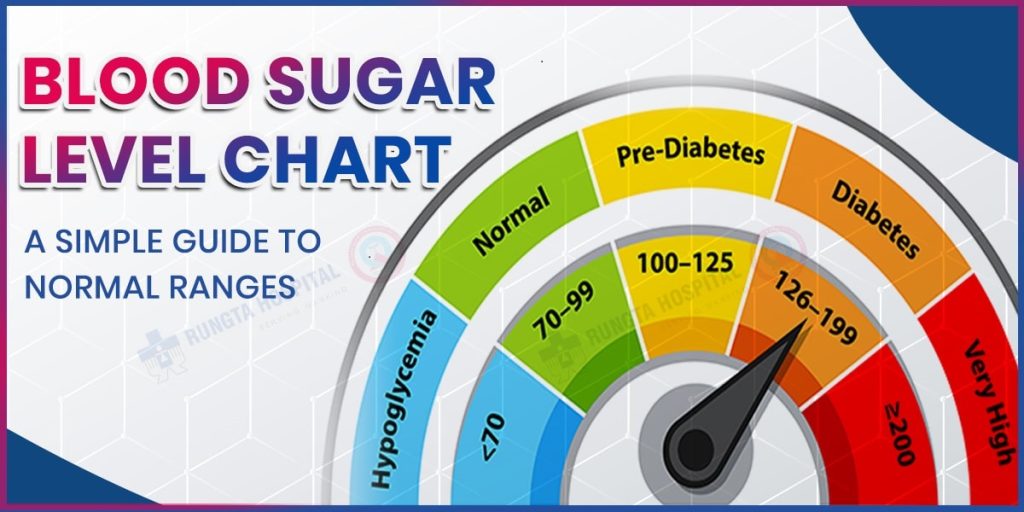
What happens in the body when you don’t sleep well
When sleep is short or broken, your body switches into a mild “stress mode.”
Stress hormones increase
Lack of sleep raises hormones like cortisol and adrenaline. These hormones signal the liver to release more glucose into the bloodstream, preparing the body for action — even though no action is needed.
Insulin sensitivity drops
After poor sleep, the body often becomes less responsive to insulin. This means the same amount of insulin may not work as effectively as it normally would.
The liver releases more glucose
During the night and early morning, the liver naturally releases glucose. Poor sleep can exaggerate this process, leading to higher morning or daytime readings.
Why this is common in type 1 diabetes
For people with Type 1 diabetes, these effects can be more noticeable because insulin levels must be managed externally.
A bad night’s sleep may lead to:
- Higher fasting or morning blood sugar
- Unexpected daytime highs
- Blood sugar that’s harder to bring down
This doesn’t mean you did something wrong — it’s often a temporary response to sleep disruption.
Situations that often cause sleep-related blood sugar changes
You may notice higher blood sugar after nights with:
- Short sleep (5–6 hours or less)
- Frequent waking
- Stress or anxiety before bed
- Illness or discomfort
- Poor sleep quality, even with enough hours
Patterns usually become clearer when you look at several days, not just one reading.
Small, realistic things that may help
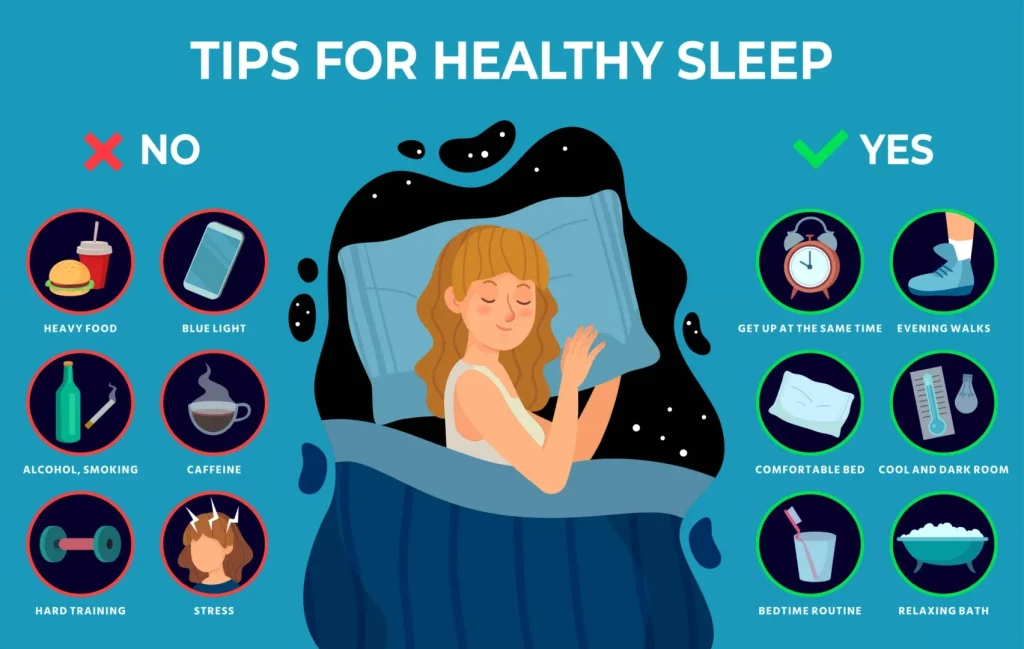
You don’t need perfect sleep every night. Small improvements can make a difference over time.
- Try to keep bedtime and wake-up time consistent
- Reduce stimulating activities before bed
- Notice patterns rather than single numbers
- Be patient with higher readings after poor sleep
If sleep improves, blood sugar often follows.
Final thoughts
A bad night’s sleep can absolutely affect blood sugar levels the next day, especially for people with Type 1 diabetes. These changes are usually temporary, and understanding the connection can make them feel less frustrating.
Instead of focusing on one high reading, it’s more helpful to look for patterns and give your body time to recover after disrupted sleep.