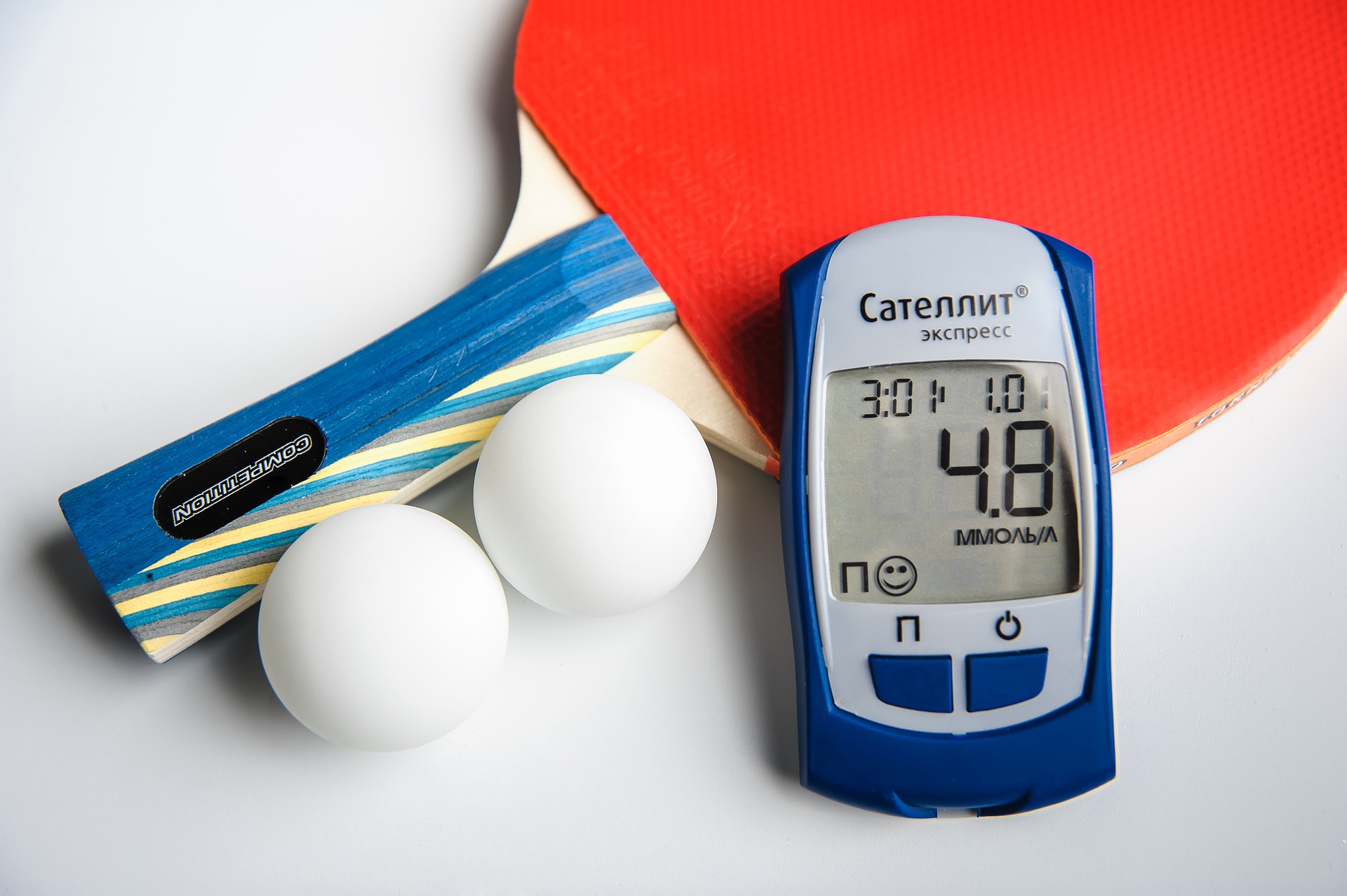
Diabetes and sports is possible. Not only that, but it is highly recommended that diabetics perform physical exercises to avoid getting complications and maintain a healthy life.
Diabetes is a chronic, progressive disease that is mainly represented by hyperglycemia(increased glucose in the blood) induced by lowered insulin production in the pancreas (the organ where insulin synthesis and production takes place), insulin resistance or both with changes in lipid and protein metabolism.
Insulin resistance is due to the inability of the hormone produced by the endocrine pancreas to realize its effects on adipose tissue, muscles and liver.
The approach of the therapeutic plan of the diabetic patient includes diet, physical activity, pharmacological treatment.
We will try to enhance the role of physical activity in prediabetes and diabetes.
The American Diabetes Association (ADA) guide recommends for patients with type 2 diabetes a minimum of 150 minutes of moderate or intense physical activity (50 – 70% maximum heart rate) per week consisting of aerobic exercise (running, swimming, cycling, walking) , resistance exercises (weight exercises) and balance exercises.
Diabetes and sports: how exercise affects blood sugar
Regular exercise is one of the most effective ways to improve blood sugar control for people with diabetes. Physical activity helps the body use glucose more efficiently, improves insulin sensitivity, and supports overall metabolic health. Both aerobic exercise and resistance training can play an important role in managing type 1 and type 2 diabetes.
However, exercise also affects blood sugar in complex ways. Depending on the intensity, duration, and timing of activity, glucose levels may drop, rise temporarily, or remain stable. Understanding these responses helps people with diabetes exercise safely and consistently.
What changes occur in the body for patients with diabetes while practicing sports?
Glucose is the most important source of energy in the body being used by the brain (50%), skeletal muscle (20%), kidneys, blood circulation and other tissues.
Immediately after meals (postprandial) glucose is stored as glycogen in the liver and muscles. Excess glucose is stored as triglycerides in adipose tissue. At rest (fasting) blood glucose levels are maintained by hepatic and muscular glycogenolysis (consumption of hepatic and muscular glycogen reserves), but also by hepatic and renal gluconeogenesis (synthesis of glucose) from pyruvate, lactate, glycerol, amino acids.
During physical exercises:
- the blood glucose level decreases and after stopping the physical effort the glycemia continues to decrease, the glucose being used to replenish the glycogen reserves. Maintaining the normal values of blood sugar (necessary for brain function) is achieved by the rapid release of glucose from the muscles and liver glycogen deposits, and after their depletion by glucose synthesis (gluconeogenesis) from glycerol
- the release of catecholamines cause an increase in heart rate, vasoconstriction in the splanchnic territory, suppression of insulin secretion
- the decrease in the level of insulin in the blood determines the activation of the synthesis of hepatic and renal glucose as well as the hydrolysis of triglycerides in fatty acids and glycerol used as energy
- counterregulatory hormones are released (glucagon, cortisol, growth hormones) that induce gluconeogenesis and glycogenolysis to maintain normoglycemia.
Patients with type 1 diabetes do not have their own insulin secretion
Insulin administered by injection (exogenous insulin) induces the blockade of gluconeogenesis and glycogenolysis even in conditions of low glycemia with risk of hypoglycemia.
Also in moderate physical activity there is a poor response to low blood sugar from counterregulatory hormones.
If the physical effort is very intense, the glycemia increases above the normal value (hyperglycemia), especially through the counter-regulatory hormones, and if the diabetes is unbalanced, diabetic ketoacidosis can occur (decreased alkaline reserve in the blood, due to the accumulation of ketones).
How is glucose taken up by the muscles?
Blood glucose is taken up by the GLUT 4 transporter. Its entry into the muscle cell is done through two mechanisms:
- insulin-dependent by fixing insulin to the insulin receptor inducing its autophosphorylation and activation of the substrate protein and phosphatidylinositol 3 phosphate
- non-insulin-dependent by activating a serine kinase with the release of calcium and nitric oxide or by MAP (mitogen activated protein kinase) – an enzyme system that is activated during exercise or by AMP kinase.
The benefits of sports in diabetes
increases insulin sensitivity so that blood glucose will be used more efficiently
- increases the use of glucose in tissues
- lowers blood sugar
- decreases the value of glycated hemoglobin
- improved oxygen consumption
- improves vascular endothelial function and decreases arterial stiffness
- lowers blood pressure
- increases muscle strength
- muscle mass profile improvement (triglycerides decrease)
- weight loss
How exercise affects blood sugar
Exercise does not affect blood sugar in the same way for everyone. Several factors influence how glucose levels respond to physical activity.
These include:
- Exercise intensity
- Duration of the workout
- Current blood sugar level
- Insulin or medication use
- Time since the last meal
For many people, steady aerobic activity such as walking or cycling lowers blood sugar because muscles use glucose for energy.
However, intense workouts may temporarily raise blood sugar because stress hormones signal the liver to release stored glucose. This response is discussed in can you exercise when blood sugar is high.
After exercise, the body often becomes more sensitive to insulin for several hours or even a full day. This means blood sugar may remain lower after workouts.
Types of exercise that help manage diabetes
Different forms of exercise affect blood sugar in slightly different ways. A balanced routine usually includes both aerobic activity and strength training.
Aerobic exercise
Aerobic exercise involves continuous movement of large muscle groups.
Examples include:
- Walking
- Running
- Cycling
- Swimming
- Dancing
These activities usually lower blood sugar during and after exercise. You can see how specific activities affect glucose in blood sugar after running or blood sugar after swimming.
Aerobic workouts are often recommended for improving cardiovascular health and glucose control.
Strength training
Strength training involves resistance exercises that build muscle and improve metabolism.
Examples include:
- Weightlifting
- Resistance bands
- Bodyweight exercises
- Gym machines
Resistance training may sometimes raise blood sugar during the workout because of stress hormones, but levels often fall later during recovery.
You can learn more about this in can diabetics lift heavy weights safely and blood sugar after weight training.
Combining strength training with aerobic activity often produces the best results for blood sugar control.
Recommendations for patients with type 1 diabetes who perform physical activity
- check your blood sugar before exercise and if it is below 100 mg / dl eat a snack.
- moderate physical exercises to begin with
- It is recommendeded physical activity takes place 1 to 3 hours after rapid insulin injection
- reduces the dose of fast-acting insulin by up to 50%
- In patients with insulin pumps, the basal infusion rate is reduced, pre- and post-meal boluses are modified.
Recommendations for patients with type 2 diabetes who perform physical activity
- before performing the physical effort, screening for ischemic heart disease and for the identification of diabetes complications (microalbuminuria, nephropathy, neuropathy, retinopathy) is recommended
- moderate exercise is recommended (heart rate 60 – 70% maximum frequency) surveillance is recommended in patients with insulin or oral antidiabetics (risk of hypoglycaemia)
Diabetes and sports is very beneficial in patients with prediabetes and diabetes – this is supported by trials and clinical trials. Physical activity must be an integral part of the therapeutic plan along with diet and pharmacological treatment.
Physical exercises must be adapted to the particularities of the patient with type 1 or 2 diabetes by the specialist doctor under the supervision of the a sports trainer.
How to monitor blood sugar during exercise
Monitoring blood sugar helps people understand how their body responds to activity.
Many people check glucose:
- Before exercise
- During longer workouts
- After finishing exercise
If blood sugar is below about 100 mg/dL before starting activity, a small carbohydrate snack may help prevent hypoglycemia during exercise.
Tracking patterns over time allows individuals to adjust meals, insulin, and workout timing more effectively.
Building a sustainable exercise routine
The best exercise routine is one that can be maintained consistently. Choosing activities that are enjoyable and easy to incorporate into daily life improves long-term success.
Good strategies include:
- Starting slowly and increasing intensity gradually
- Mixing different types of workouts
- Exercising at the same time each day
- Tracking workouts and blood sugar responses
Even simple habits such as walking after meals can significantly improve glucose control.
Frequently asked questions
Can people with diabetes exercise every day?
Yes, many people with diabetes exercise daily. Moderate activity such as walking can be performed most days, while intense workouts may require rest days for recovery.
What is the best exercise for diabetes?
There is no single best exercise. A combination of aerobic activity, strength training, and flexibility exercises generally provides the greatest benefit.
Does exercise always lower blood sugar?
Not always. High-intensity exercise may temporarily raise blood sugar due to stress hormone release, although levels often fall later.
Final thoughts
Exercise is one of the most powerful lifestyle tools for managing diabetes. Regular physical activity helps improve insulin sensitivity, stabilize blood sugar levels, and support overall health.
Understanding how different workouts affect glucose allows people with diabetes to exercise more safely and confidently. With proper planning, monitoring, and consistency, physical activity can become a key part of long-term diabetes management.